

A globally diversified, multi-asset fund that is structured around the team's global themes. The fund is constructed with a return-seeking core combined with a series of offsetting risk positions. The fund aims to deliver positive returns within a range of cash and cash plus 4% (SONIA 30-day compounded) before fees over 5 years. Within its sector, the fund features in our 'Multi-Asset, Directional' category.
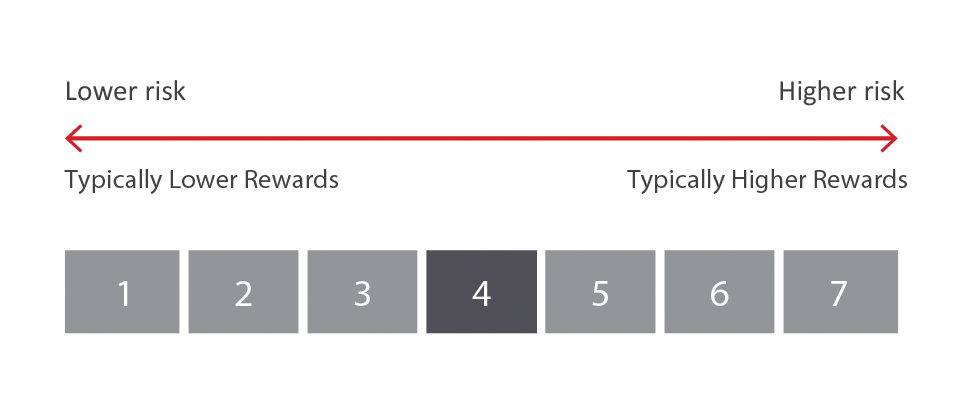
The fund’s KIID Synthetic Risk and Reward Indicator (SRRI) is 4. This is a regulatory measurement that is, where possible, calculated from the volatility of its weekly performance over a five-year period. A score of 4 means the fund’s historic volatility is between 5% and 10%.
Our analysis indicates that the fund’s five-year standard deviation is more elevated than lower risk funds in the diverse IA Targeted Absolute Return sector, notably market neutral equity funds. This is to be expected given the ‘directional’ attributes of the fund. We are not surprised to see the score vary through time, as market conditions and the team’s asset allocation preferences change. Different share classes could have differing SRRI scores.
The fund is co-managed by Aron Pataki, Nick Pope and Trevor Holder of Newton Investment Management, a wholly owned subsidiary of The Bank of New York Mellon Corporation. They are members of the Newton Absolute Return team, which is part of the Multi-Asset & Charities division, headed by Paul Flood. The Absolute Return team incorporates portfolio managers with expertise in a wide range of disciplines, and they work closely with the Multidimensional Research team, which is responsible for providing inputs for idea generation across asset classes.
By adopting a global approach to understanding the prospects for asset classes and giving due consideration to the thematic drivers of those assets, the team aims to identify the forces of change influencing various investment opportunities. This is all undertaken within a very risk-aware framework.
The team takes a holistic approach to portfolio risk assessments. All positions in the portfolio are conviction-based, with the size of any position a function of the expected risk/return profile. There are no formal asset allocation restrictions in place and the team can shift the portfolio tactically as required.
The fund's emphasis is upon traditional asset classes, managed with a long-term mindset. The portfolio is constructed with a return-seeking core and a series of offsetting risk positions, with a view to dampening volatility and preserving capital. The process begins with the identification of investment themes, which direct analysts and managers towards what they perceive to be the best investment opportunities globally. At a macro level, the team generates views on the relative attractiveness of base asset classes from both a short and long-term perspective. Extensive use is made of the global analysts to generate a large database of proprietary research. The fixed interest exposure uses the same thematic framework to analyse valuations and trends within global bond markets.
Positions in the portfolio are added according to the long-term view of the investment environment, with the team always being aware of the objective to generate "real", absolute returns and a lower volatility outcome. The return-seeking core can be comprised of corporate debt, equities, emerging market debt, infrastructure and energy renewable-related investments. The stabilising (or risk-offsetting) layer can feature commodities, cash and short-term debt, a variety of derivatives, active currency positions and currency/equity market hedges. The portfolio features no leverage, no individual short positions and no exposure to direct property.
Formal documentation, including the fund prospectus and the KIID, should be sought directly from the asset manager. For ease of reference, a link to the ASSET MANAGER WEBSITE can be found above.
Investment Association sector definition: Funds managed with the aim of delivering positive returns in any market conditions, but returns are not guaranteed.
Funds in this sector may aim to achieve a return that is more demanding than a “greater than zero after fees objective.”
Funds in this sector must clearly state the timeframe over which they aim to meet their stated objective to allow the Investment Association and investors to make a distinction between funds on this basis. The timeframe must not be longer than three years.
Your use of this website is subject to the terms of use set out in the website. By continuing to use our website we will assume that you are happy to receive non-privacy intrusive cookies. Please be aware that if you disable cookies some functionality on the site will not work. Read our cookies policy to find out more about our cookie use and how to disable cookies.
Alternatively, if you are not a financial professional and are seeking financial advice, you may wish to visit unbiased.co.uk to search for a financial adviser.